What a Good Sensitivity Analysis Should Show Before Approval

What weak sensitivity looks like
Weak packs list many parameters with few ties to real operating controls; tweak one variable at a time while ignoring coupled plant effects; omit guardrails for service, cash, or safety-related outcomes; lack assumption owners so debate stays abstract. Digital twin should support a decision system. Sensitivity is how you show where that system is fragile.
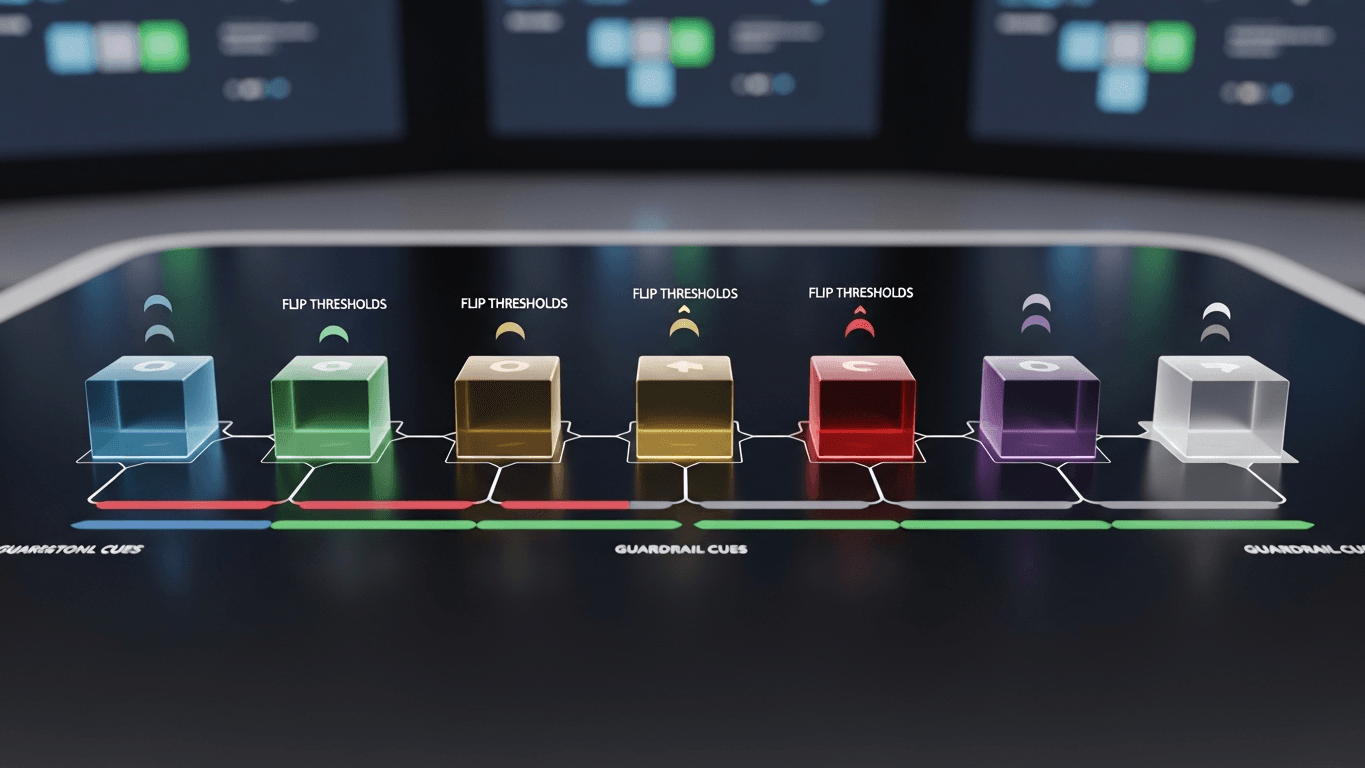
Six elements approvers should see
Lever list with ownership—each moving input names a business owner, not only a cell. Tested band versus evidence band—what you simulated versus what recent history justifies. Direction and monotonicity notes—does worse supplier performance always hurt the same way, or does the bottleneck migrate? Joint movement cases—at least one combined stress that matches how bad quarters actually arrive. Guardrail breaches—the first KPI or operational limit that fails as levers move. Decision flip map—which paired lever changes would change the recommended option.
Sensitivity pack readiness
Top five levers are agreed across engineering, operations, and finance. At least one combined case reflects correlated downside you have lived through. Bottleneck migration appears in narrative when it appears in the model. Procurement and planning see their levers explicitly. Invalidation triggers reference measurable signals. For where sensitivity belongs inside a CAPEX gate sequence, use the stage-gates article as the contract map.
When this works—and when it fails
It works when the model boundary matches the decision and levers map to controls people actually use. It fails when the team optimizes a metric leadership will not defend when service breaks.
Executive discipline without slowing the line
The goal is not more meetings; it is fewer surprises. A disciplined twin rhythm means the expensive conversations happen early, when options are cheap, and the later forums validate decisions that already survived a standard pack. Executives should experience simulation as a narrowing machine: it retires weak paths with evidence, clarifies what must be verified before cash moves, and forces owners to name what would invalidate the plan.
Treat sensitivity and stress as part of capital hygiene, not as a specialist hobby. If a ranking flips under plausible bands, leadership should see that flip before signatures land—otherwise the organization discovers it during ramp. If a ranking is stable but fragile under disruption stories, that fragility belongs in the memo as a managed risk, not as a private worry for operations. Digital twin is strongest when it makes those tensions visible while you still have room to sequence work, stage cutovers, or adjust buffers without heroics.
A last clarity check before the room convenes
Before anyone sits down with a capital packet, ask whether the comparison was fair in the only sense that matters: same shocks, same exclusions, same time horizon. If one option had a softer supplier story or a prettier ramp, you are not choosing—you are crowning. The fix is to rerun under the standard pack and publish the failure notes when an idea does not survive. That habit saves more money than another week of mesh polish.
Leaders should also insist on a single paragraph that states what would make them pause the next tranche. Without that sentence, approvals age badly the moment the floor diverges from the memo. Digital twin work is doing its job when that paragraph is easy to write because the scenarios already named the risks.
What DBR77 Digital Twin adds
DBR77 Digital Twin keeps sensitivity tied to traceable assumptions and comparable shock sets, scaling from manual inputs toward richer integration when teams need cleaner lineage: consistent sensitivity narratives across projects; lever movement tied to accountable owners; shorter path from chart to next step.
Bottom line
Sensitivity exists to reveal fragility in business language. If approvers cannot see failure order and ownership, keep working.
DBR77 Digital Twin helps teams keep sensitivity narratives and assumption traceability consistent so approval conversations stay tied to levers people actually control. Book a demo or Browse use cases.
Want to see Digital Twin on your scenario?
Book a short demo — we'll show the fastest path to decision-grade outcomes.