How to Assign Model Ownership Across Engineering, Operations, and Finance

RACI-style split that works
Engineering lead: structure, routing logic, resource definitions, model releases. Operations lead: staffing reality, shift rules, WIP behavior signals, change triggers. Finance partner: ROI guardrails, scenario packs at gates, range language in approvals. Twin steward: versioning, refresh cadence, library IDs, leadership summaries. The steward may sit in engineering but needs explicit time and authority to block publication when baseline mismatch is open.
The steward is not a scribe. They are the person who stops a pretty chart from leaving the building when the baseline is contested.
Decision rights
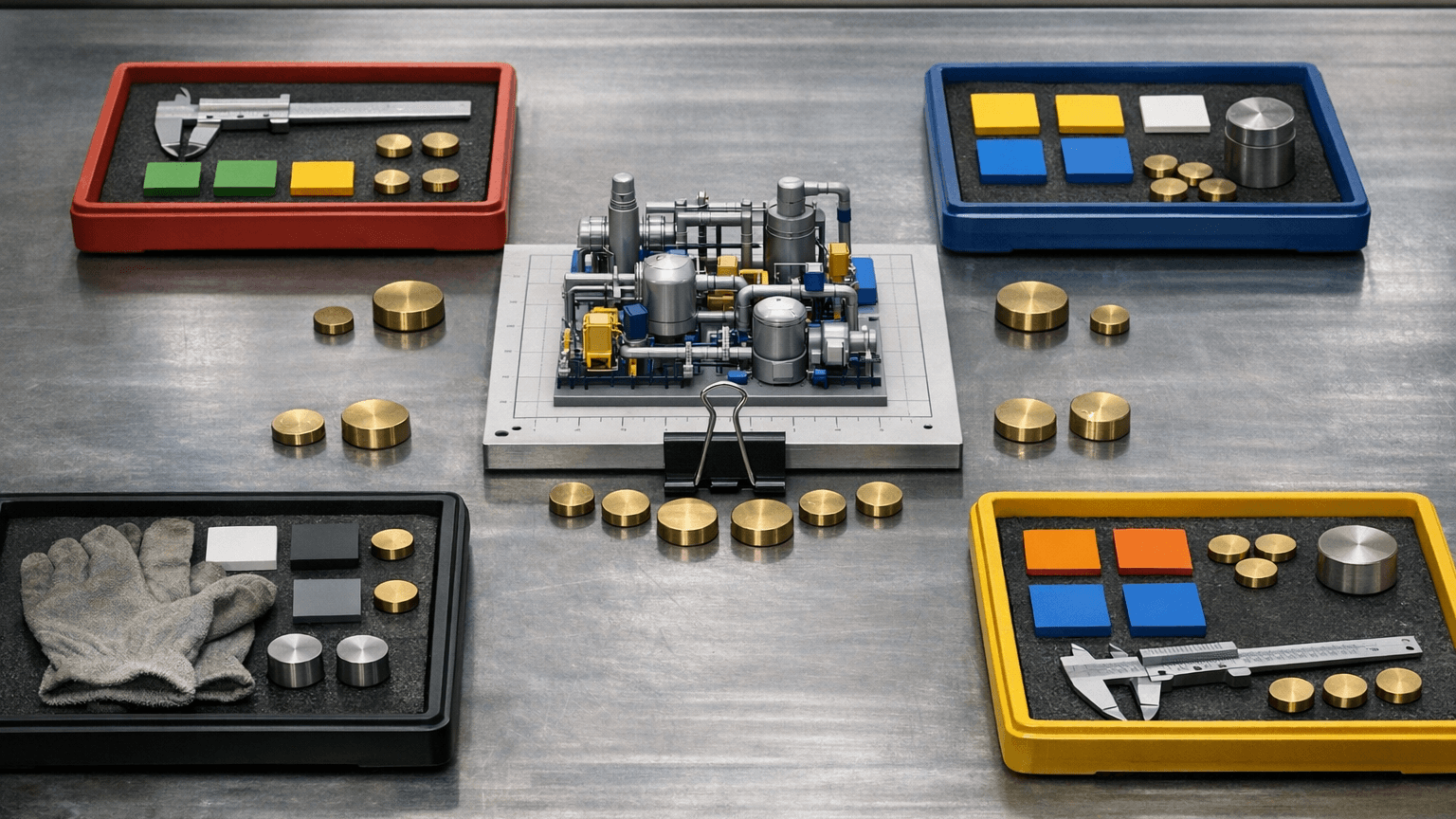
Engineering changes structure after documented operational deltas. Operations approves floor-truth parameter bands before gate meetings. Finance approves which scenarios count as decision-grade for capital. The steward blocks outputs if refresh discipline is violated.
Write these rights into the operating policy, not into a slide footnote. Oral tradition does not survive a reorg.
Healthy ownership signals
Assumption changes have named authors and dates. Operations receives a short delta readout after refresh. Finance recognizes scenario IDs in gate materials. Leadership knows whom to call when rankings flip.
When those signals appear, layout and CAPEX conversations stop circling personalities and start comparing scenarios.
When this model fails
It fails when the steward is a part-time volunteer without gate authority, when finance never sees ranges, or when operations learns about model changes from a slide deck.
Layout and CAPEX consequences
Clear ownership changes what you can promise in a memo: engineering stands behind structure, operations stands behind floor parameters, finance stands behind which packs are approval-grade. Without that split, approvals rest on a blended narrative nobody fully owns.
Executive discipline without slowing the line
The goal is not more meetings; it is fewer surprises. A disciplined twin rhythm means the expensive conversations happen early, when options are cheap, and the later forums validate decisions that already survived a standard pack. Executives should experience simulation as a narrowing machine: it retires weak paths with evidence, clarifies what must be verified before cash moves, and forces owners to name what would invalidate the plan.
Treat sensitivity and stress as part of capital hygiene, not as a specialist hobby. If a ranking flips under plausible bands, leadership should see that flip before signatures land—otherwise the organization discovers it during ramp. If a ranking is stable but fragile under disruption stories, that fragility belongs in the memo as a managed risk, not as a private worry for operations. Digital twin is strongest when it makes those tensions visible while you still have room to sequence work, stage cutovers, or adjust buffers without heroics.
What DBR77 Digital Twin adds
DBR77 Digital Twin stays decision-grade when engineering, operations, and finance each own a named slice of structure, floor truth, and gate language. Row-level traceability lands more easily next to a reusable assumption ledger.
Bottom line
Split the work. Unify the accountability. One steward, three functional owners, zero orphaned models.
DBR77 Digital Twin aligns with teams that need shared scenario packs and traceable refresh events across engineering, operations, and finance. Book a demo or Explore Digital Twin.
Want to see Digital Twin on your scenario?
Book a short demo — we'll show the fastest path to decision-grade outcomes.