How to Run Your First Simulation Project

Answer one important question
A strong first project does not model everything. It answers one expensive question: which layout variant is stronger, where the bottleneck will appear, whether a CAPEX case holds under variability, which staffing option supports flow better. Practical value and clarity beat comprehensiveness.
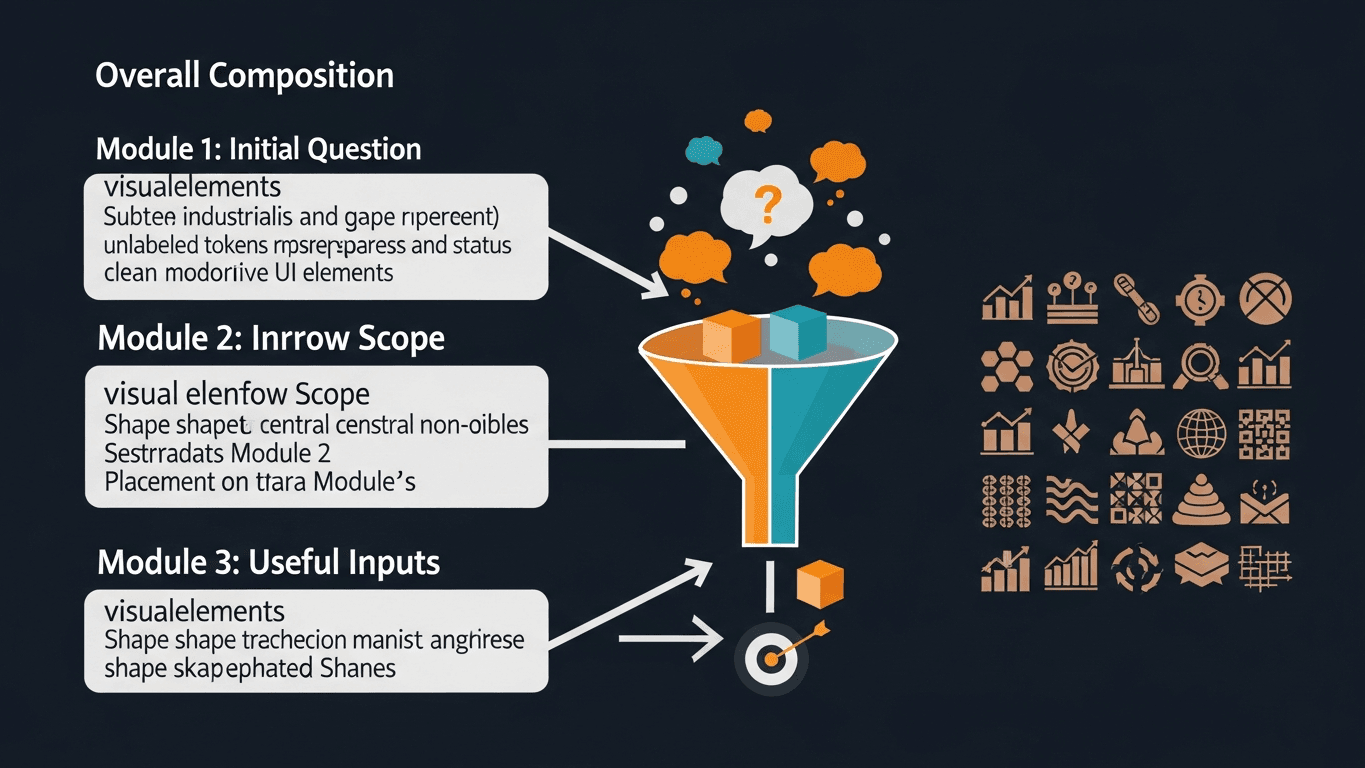
Narrow scope on purpose
Broad first scopes produce slow setup, fuzzy success criteria, harder stakeholder alignment, and delayed proof. Tight scope increases the odds of learning quickly and demonstrating impact without drowning the team in detail.
Minimum useful inputs
The first project rarely needs perfect live data. It needs enough input to test with discipline: process logic, manual data, historical traces, realistic assumptions. Meaningful learning is the bar—not digital perfection.
Define success before building
Before modeling starts, define the decision being improved, the scenarios to compare, the KPI or risk that matters most, and what result would count as useful. That keeps the work tied to business value instead of drifting into open-ended exploration.
Create a repeatable path
The first project should leave more than one answer: stakeholder confidence, a reusable workflow, a clearer adoption path, and insight into where richer data matters next. Those artifacts are how the organization scales after the first win.
Brownfield honesty: compare paths, not slogans
Brownfield factories do not reward optimism; they reward comparability. Every serious path changes something physical—travel, staging, handoffs, maintenance access—and those changes interact under real demand and supplier behavior. Scenario work earns trust when each path faces the same shocks and the same evidence rules, so the conversation stays anchored to trade-offs instead of slide charisma.
Keep the discussion explicit about what you are not doing this cycle. Exclusions are as important as favorites; they prevent zombie options from returning with a new name. When post-change refresh triggers are understood, teams stop quoting last quarter’s certainty after the floor has already moved. The twin should make that drift embarrassing quickly, which is healthier than discovering it during a service miss or an overtime weekend nobody budgeted.
What DBR77 Digital Twin adds
DBR77 Digital Twin is tuned for a low-friction first project: narrow scope, comparable scenarios, decision outputs you can lift into business-case and ROI conversations when leadership asks for more. Starter workflows that do not depend on a full factory data program on day one; artifacts that make the second and third projects faster to charter. Adoption by proof, not by deck thickness.
First-project checkpoint: one decision question, comparable scenarios under one variability policy, explicit closeout with retired options and owned assumptions.
Bottom line
The first simulation project should not be grand transformation theater. It should be a focused test of one valuable decision, scoped tightly enough to learn fast and prove why broader adoption is worth it.
DBR77 Digital Twin helps teams start fast with one high-value simulation question, minimum useful inputs, and a clear path to proof of value. Book a demo or Browse use cases.
Want to see Digital Twin on your scenario?
Book a short demo — we'll show the fastest path to decision-grade outcomes.