When Manual Factory Decisions Become Too Expensive to Trust

Signals that trust is getting expensive
Repeat surprise: the same class of bottleneck or service failure returns after each fix. Narrative split: operations, planning, and finance describe different limiting factors. CAPEX whack-a-mole: investments relieve one pain while another appears within a quarter. Change fear: teams resist improvements because last changes hurt stability. Debate without falsification: arguments stay verbal because nobody can run the same scenario twice. None of these require bad intent. They usually mean the decision environment outgrew the tools.
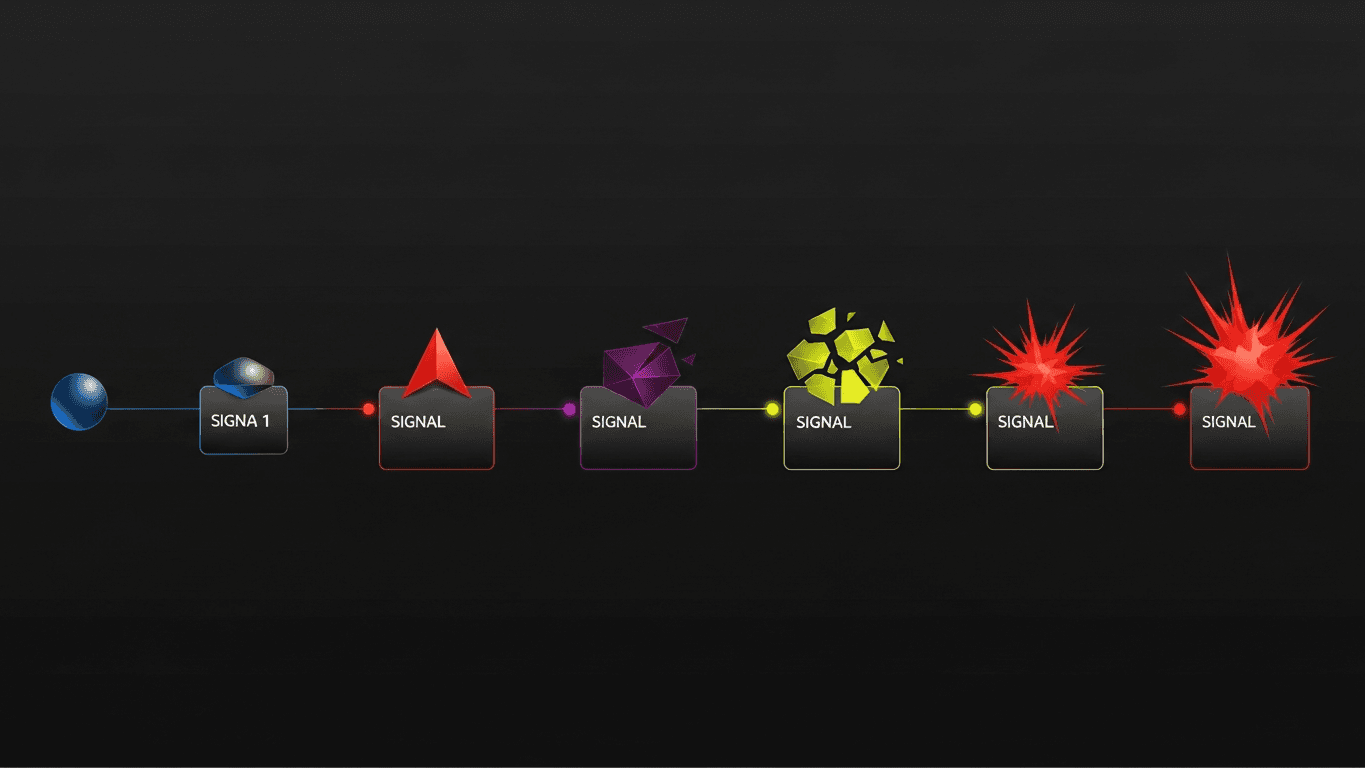
Make the pain legible
Translate symptoms into lines leadership recognizes: rework and scrap spikes after flow changes; overtime and temp labor drift tied to schedule volatility; schedule churn through missed promise lines and expedites; project delay versus capital timelines; service penalties through late shipments and premium freight. Perfect attribution is not required—enough signal to justify a better decision method is.
Add simulation without freezing the plant
Add scenario testing when undo cost of the next change is high, when multiple plausible futures disagree, or when coupling across lines, logistics, or shifts is non-obvious. Stay lightweight when changes are small, reversible, and dominated by one visible constraint. The goal is to buy judgment where it is still cheap.
A minimal next step
Pick one expensive decision in the next ninety days. Write it as a sentence. Compare two real alternatives under one stress case everyone agrees is possible. Record assumptions and owners. If that exercise changes the conversation, you have proof the old habit was priced wrong.
Executive discipline without slowing the line
The goal is not more meetings; it is fewer surprises. A disciplined twin rhythm means the expensive conversations happen early, when options are cheap, and the later forums validate decisions that already survived a standard pack. Executives should experience simulation as a narrowing machine: it retires weak paths with evidence, clarifies what must be verified before cash moves, and forces owners to name what would invalidate the plan.
Treat sensitivity and stress as part of capital hygiene, not as a specialist hobby. If a ranking flips under plausible bands, leadership should see that flip before signatures land—otherwise the organization discovers it during ramp. If a ranking is stable but fragile under disruption stories, that fragility belongs in the memo as a managed risk, not as a private worry for operations. Digital twin is strongest when it makes those tensions visible while you still have room to sequence work, stage cutovers, or adjust buffers without heroics.
What DBR77 Digital Twin adds
DBR77 Digital Twin targets organizations where manual judgment has become expensive: bounded scenario comparisons, named assumption owners, trade-offs under variability that finance and operations read the same way, decision support that ends in a recorded choice rather than another workshop round.
Bottom line
Manual decisions are not the enemy. Untested decisions at scale are. When surprise repeats and CAPEX chases symptoms, the factory does not need louder opinions—it needs a disciplined way to compare scenarios before reality charges interest.
DBR77 Digital Twin helps leadership move from repeated operational surprises to disciplined scenario testing on the highest-cost decisions. Explore Digital Twin or Browse use cases.
Want to see Digital Twin on your scenario?
Book a short demo — we'll show the fastest path to decision-grade outcomes.