When to Link Digital Twin to Real-Time Data and When Static Is Enough

Five questions before you wire
Cadence: do you decide weekly from this model or twice a year at gates? Drift sensitivity: would stale inputs change rankings within the decision horizon? Evidence cost: is manual refresh cheaper than integration risk right now? Loop intent: are you advising humans or automating a response? Governance readiness: can you own data quality SLAs and failure modes? If cadence is low and drift is slow, static usually wins.
Answer these plainly in writing. Ambition without cadence clarity is how integration backlogs starve the next capital conversation.
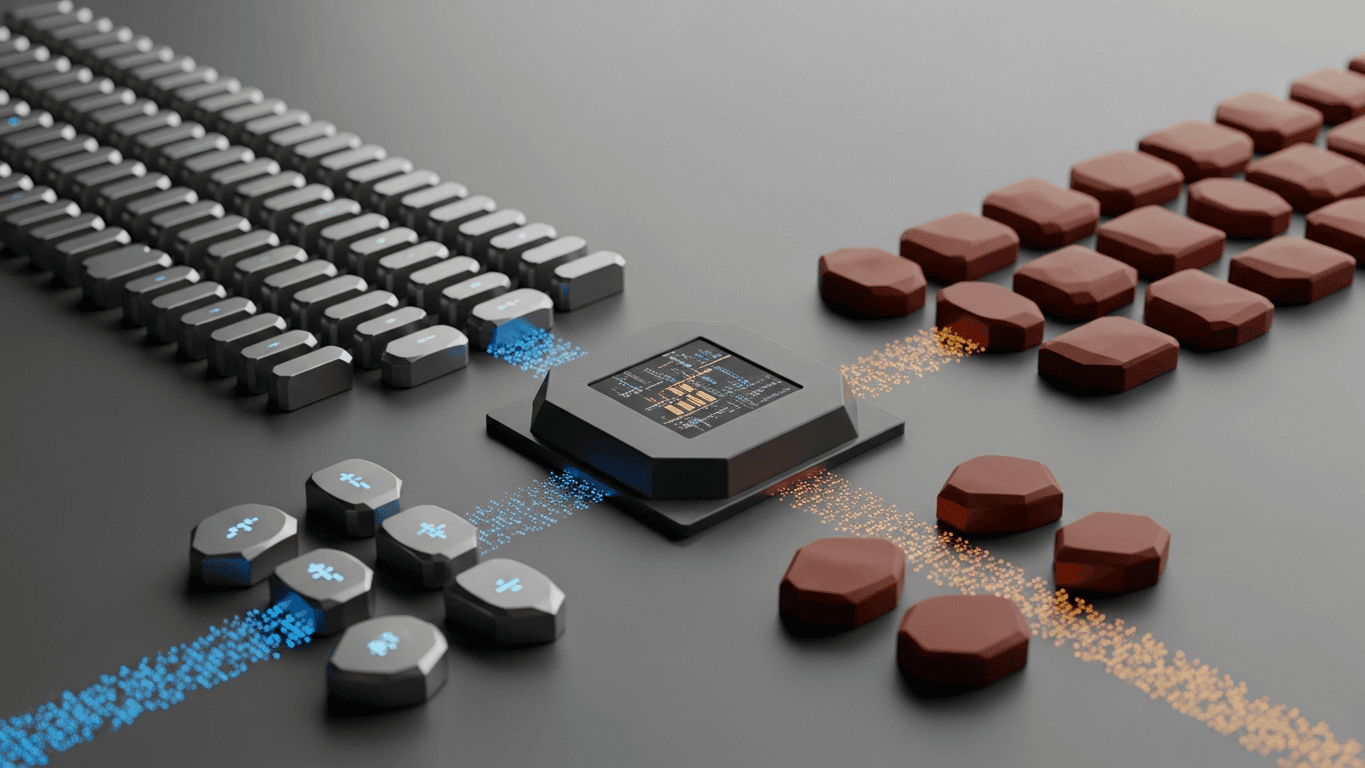
Static refresh versus live integration
Static manual refresh fits gate decisions, layout programs, and early maturity; risk is outdated parameters if refresh discipline fails. Live integration fits high-frequency replanning and tight WIP control experiments; risk is pipeline fragility and false certainty from noisy feeds. Cost curves differ: static front-loads modeling discipline; live carries ongoing operations and data engineering.
Layout and CAPEX decisions rarely need millisecond truth; they need defensible bands and a refresh trigger when the floor materially moves. Live linkage earns its keep when the operating pattern repeats often enough that stale inputs become a decision hazard.
Ready for live linkage
Named owners for data quality and time sync. Clarity on which signals change decisions versus decorate dashboards. Failure playbooks for missing or late data. Scenarios still publish with assumption snapshots for audit.
If you cannot explain what breaks when feeds fail, you are not ready to let those feeds sit inside an approval story.
Governance and executive clarity
Executives should hear integration as a service contract—owners, SLAs, and failure behavior—not as a feature list. Static models can still be decision-grade when refresh is disciplined; live models can still mislead when noise masquerades as precision.
Brownfield honesty: compare paths, not slogans
Brownfield factories do not reward optimism; they reward comparability. Every serious path changes something physical—travel, staging, handoffs, maintenance access—and those changes interact under real demand and supplier behavior. Scenario work earns trust when each path faces the same shocks and the same evidence rules, so the conversation stays anchored to trade-offs instead of slide charisma.
Keep the discussion explicit about what you are not doing this cycle. Exclusions are as important as favorites; they prevent zombie options from returning with a new name. When post-change refresh triggers are understood, teams stop quoting last quarter’s certainty after the floor has already moved. The twin should make that drift embarrassing quickly, which is healthier than discovering it during a service miss or an overtime weekend nobody budgeted.
What DBR77 Digital Twin adds
DBR77 Digital Twin supports a practical path from manual inputs to richer integration when the decision pattern justifies the work.
Bottom line
Start static if it unlocks the next capital or layout decision faster. Add live feeds when drift speed beats your governance clock.
DBR77 Digital Twin is built for a practical path from manual inputs to richer integration when your decision pattern earns the ops cost. Book a demo or Explore Digital Twin.
Want to see Digital Twin on your scenario?
Book a short demo — we'll show the fastest path to decision-grade outcomes.