Découvrez notre expertise
Méthodologies éprouvées et meilleures pratiques pour une mise en œuvre de jumeau numérique décisionnel.
 Logique de solution3 min de lecture
Digital Twin as a Decision Engine, Not a Prettier Model
the value of a digital twin is decision-grade scenario testing before money, layout, or service levels are committed
 Analyses approfondies3 min de lecture
Why CAPEX Decisions Should Be Simulated Before They Are Approved
simulation improves CAPEX quality by exposing trade-offs, constraints, and scenario risk before money is committed
 Réalité terrain3 min de lecture
Before You Buy a Robot, Simulate It First
simulation helps manufacturers validate whether robotization actually improves flow, throughput, and ROI before capital is committed
 Analyses approfondies4 min de lecture
Why Most Digital Twins Fail
Digital Twin projects succeed when they start from real decisions, manageable scope, and progressive data maturity
 Logique de solution4 min de lecture
How to Compare Layout Variants Without Guesswork
Digital Twin helps teams compare layout variants through measurable outcomes instead of assumption-heavy debate
 Exécution4 min de lecture
From Manual Inputs to Live Data: A Practical Digital Twin Roadmap
a usable roadmap ties each integration step to a decision that gets sharper, not to a generic connectivity finish line
 Réalité terrain4 min de lecture
How Simulation Reduces Change Risk in Production and Logistics
simulation moves interaction risk into a controlled test before the live system pays for a wrong move
 Réalité terrain4 min de lecture
Digital Twin and CAD: Complementary Roles in Design and Approval
CAD freezes design intent; a decision-grade twin tests how that intent behaves under load before spend and floor time lock in
 Aide à la décision3 min de lecture
How CFOs Can Use Simulation to Validate ROI
simulation gives CFOs a stronger way to validate ROI by testing how assumptions behave before capital is committed
 Aide à la décision4 min de lecture
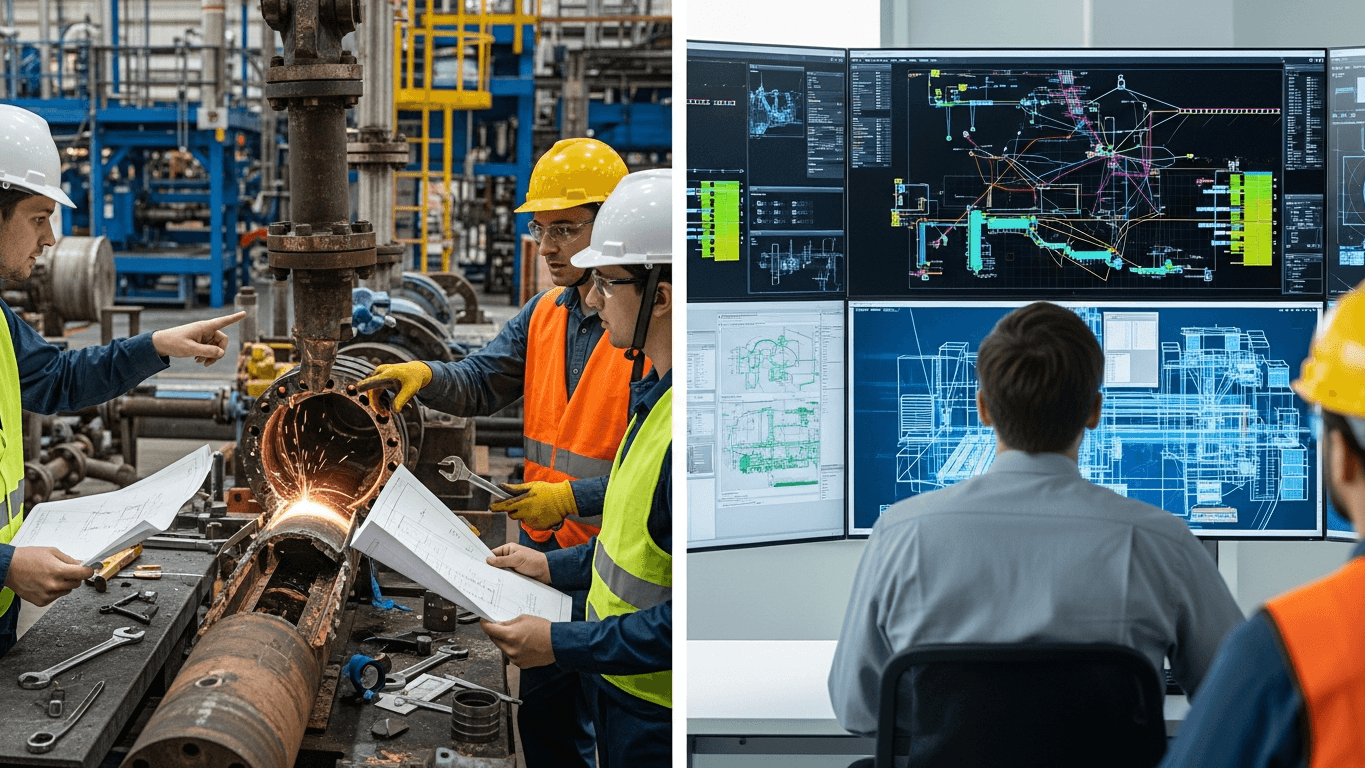
The Cost of Rework When You Skip Scenario Testing
scenario testing reduces rework by exposing weak assumptions before physical change locks the organization into expensive adjustments
 Logique de solution3 min de lecture
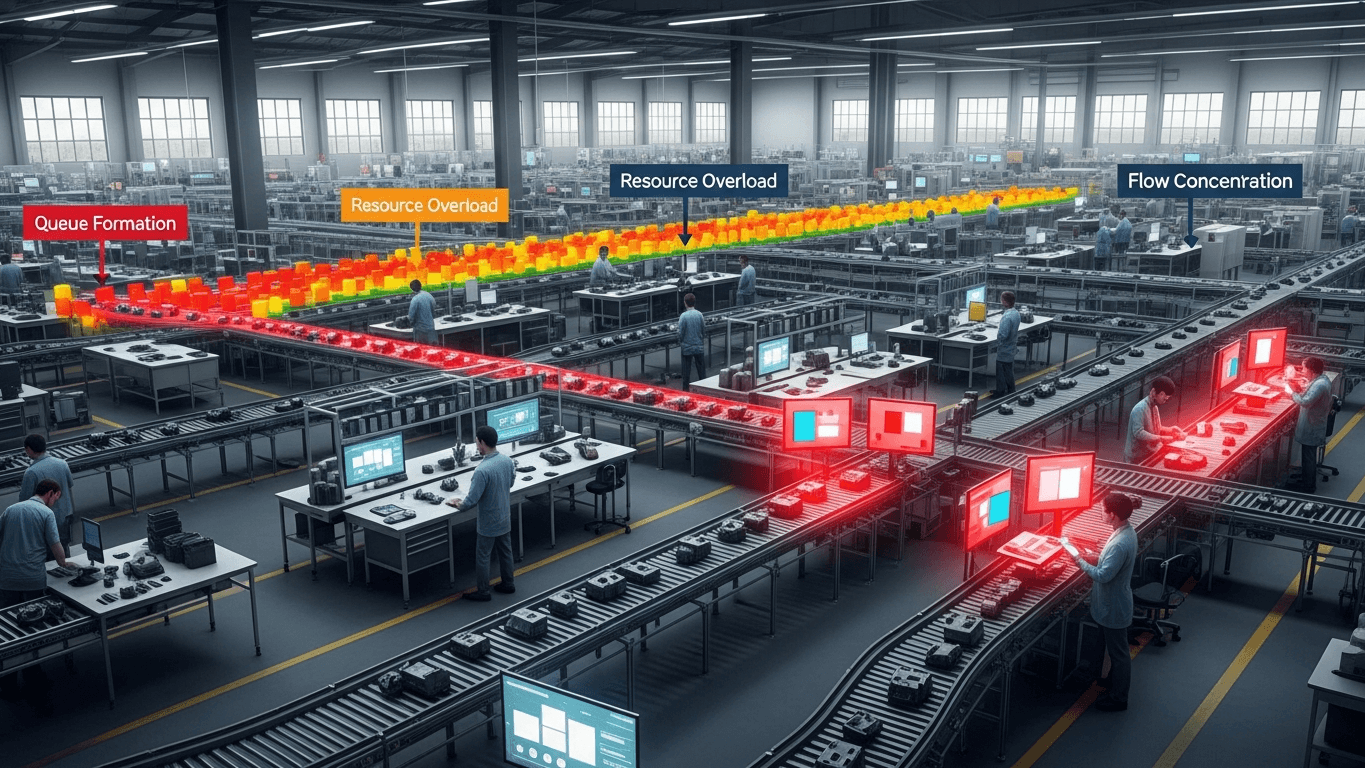
How to Identify Bottlenecks Before They Happen
Digital Twin helps teams identify emerging bottlenecks earlier by testing system behavior before the change hits reality
 Analyses approfondies3 min de lecture
Why Factory Plans Often Break Under Real Flow and Variability
disciplined simulation closes the gap between plan and behavior before weak assumptions turn into physical rework
 Exécution4 min de lecture
5 Scenarios Every Factory Should Simulate
the fastest way to make Digital Twin practical is to start with a short list of high-value scenarios that reduce risk and improve decision quality
 Exécution3 min de lecture
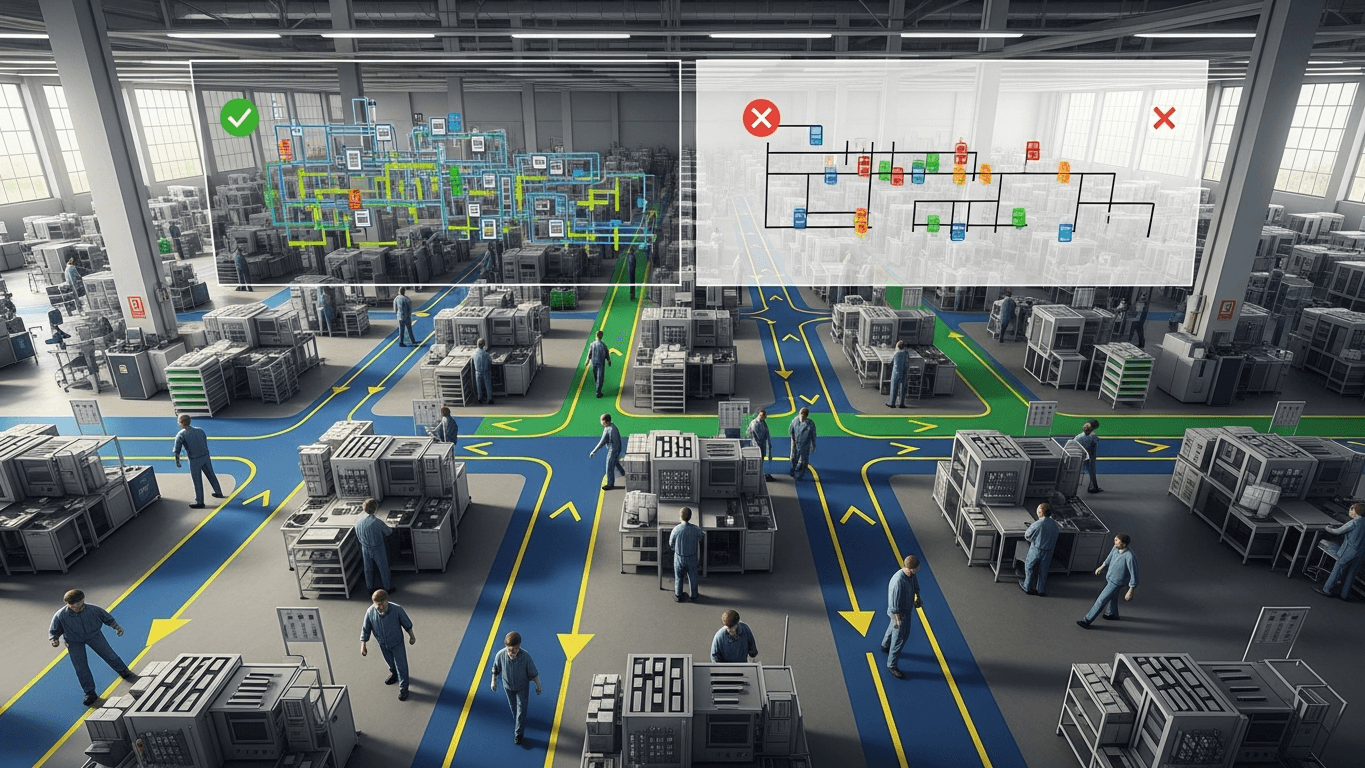
Digital Twin for Workforce Optimization
Digital Twin helps teams test workforce scenarios before they commit to shift, staffing, and allocation changes in reality
 Aide à la décision4 min de lecture
How Digital Twin Reduces CAPEX Risk
Digital Twin reduces CAPEX risk by exposing weak assumptions, hidden bottlenecks, and downside scenarios before capital is committed
 Logique de solution3 min de lecture
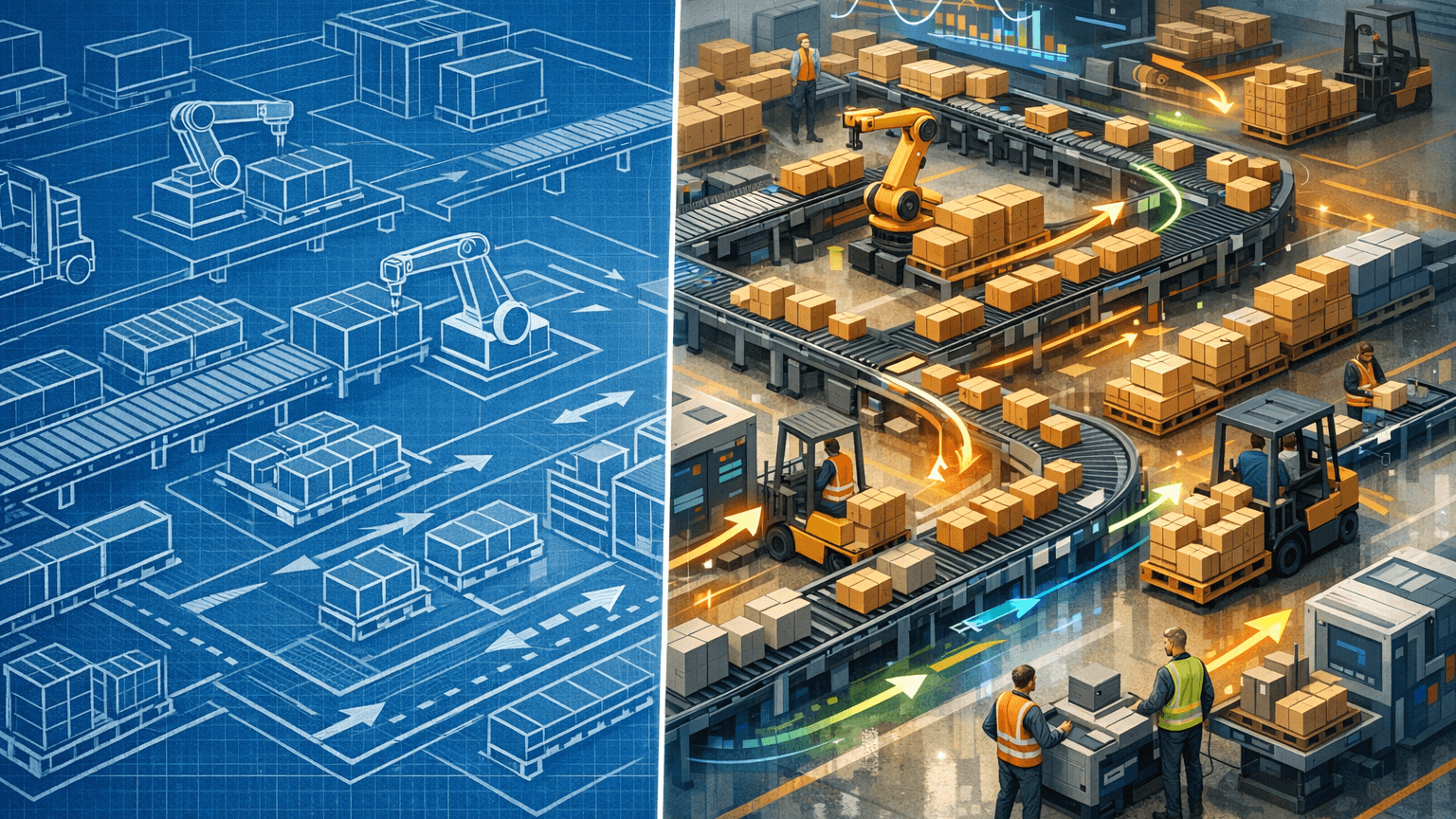
From Static Layout to Living Factory Model
Digital Twin helps teams move from static layout thinking to a living factory model that supports better decisions before physical change happens
 Réalité terrain3 min de lecture
How to Use Simulation for Continuous Improvement
simulation helps continuous improvement teams test changes before rollout, so improvement becomes more disciplined, faster, and easier to defend
 Aide à la décision4 min de lecture
The ROI of Digital Twin in 12 Months
Digital Twin can generate measurable ROI within 12 months when it is applied to high-value decisions around layout, flow, bottlenecks, and CAPEX risk
 Aide à la décision4 min de lecture
How to Build a Digital Twin Business Case Without Guesswork
a stronger Digital Twin business case starts with one expensive decision, tests the scenario behind it, and translates that into credible operational and financial value
 Exécution3 min de lecture
How to Run Your First Simulation Project
the first simulation project should be small, decision-focused, and scoped around one high-value question the factory needs to answer now
 Exécution3 min de lecture
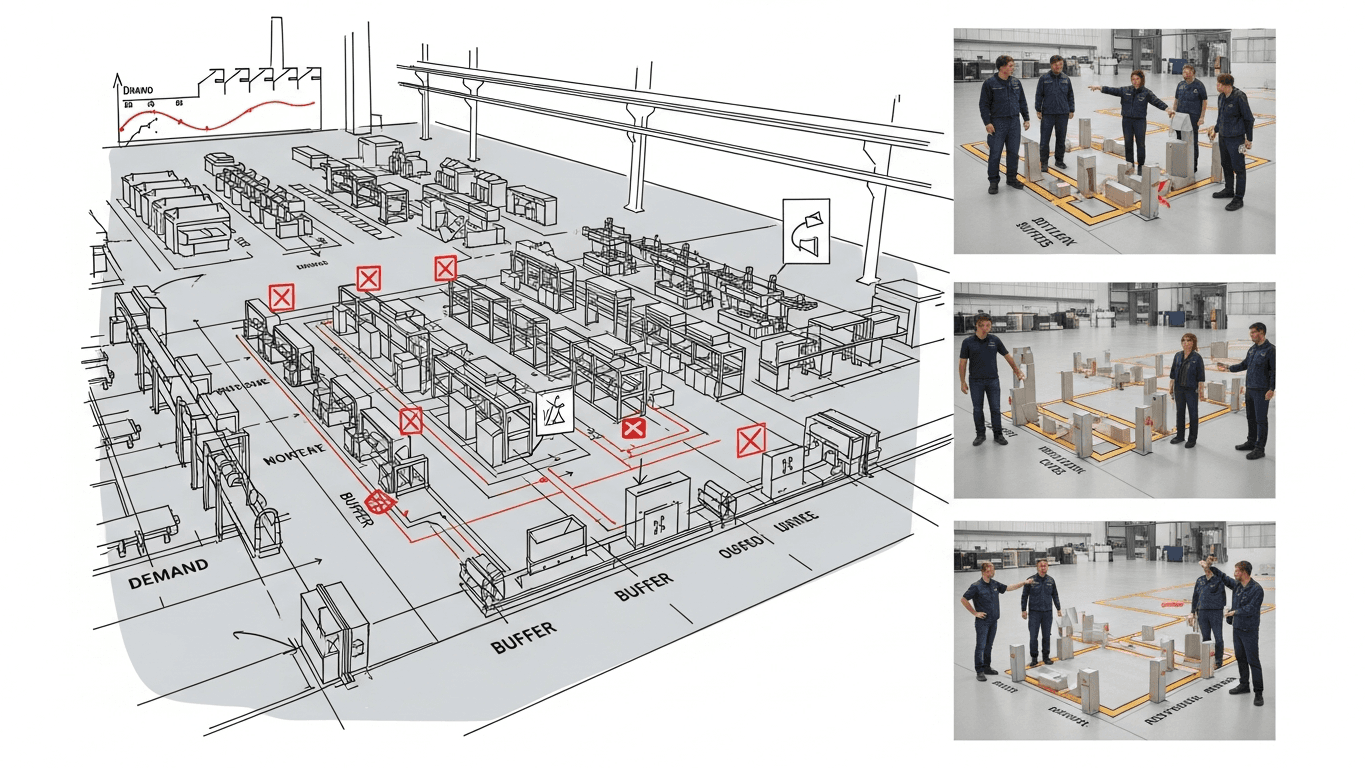
When a Factory Should Simulate Before It Reconfigures Flow
simulation belongs ahead of flow changes whenever the move crosses bottlenecks, shared resources, or demand variability that static plans cannot represent
 Réalité terrain4 min de lecture
How to Test Capacity Decisions Before the Next Demand Shift
a compact method to stress-test capacity choices with scenarios so the next demand shift does not become an unplanned firefight
 Réalité terrain4 min de lecture
What to Simulate Before Expanding a Production Line
a compact simulation scope that tests expansion decisions before concrete, staffing, and supplier commitments lock in
 Aide à la décision4 min de lecture
How to Compare CAPEX Options When Every Scenario Looks Plausible
a disciplined comparison method that breaks ties between plausible CAPEX paths using explicit stress tests, sensitivity rules, and disqualifying failure modes
 Analyses approfondies4 min de lecture
When Manual Factory Decisions Become Too Expensive to Trust
clear signals that manual decision habits have crossed the line from fast to costly, and what to do next without turning the plant into a science project
 Réalité terrain4 min de lecture
How to Use Digital Twin for Brownfield Change Planning
a practical planning sequence that uses Digital Twin as a scenario-testing layer for phased moves, safety buffers, and service risk before crews execute on a running site
 Réalité terrain4 min de lecture
What a Good Simulation Input Set Looks Like Before Live Integration
a concrete input-set standard that is good enough to test scenarios, trace assumptions, and justify the next integration step without pretending the plant is fully instrumented
 Aide à la décision4 min de lecture
How to Sequence Factory Changes With Less Operational Risk
a sequencing method that uses dependency clarity, stabilization gates, and scenario testing to reduce operational risk without freezing improvement
 Réalité terrain3 min de lecture
When to Use Digital Twin for Network and Intralogistics Decisions
clear criteria for when scenario testing should inform layout of warehouses, milk runs, buffer placement, and cross-site allocation before capital and contracts commit
 Aide à la décision4 min de lecture
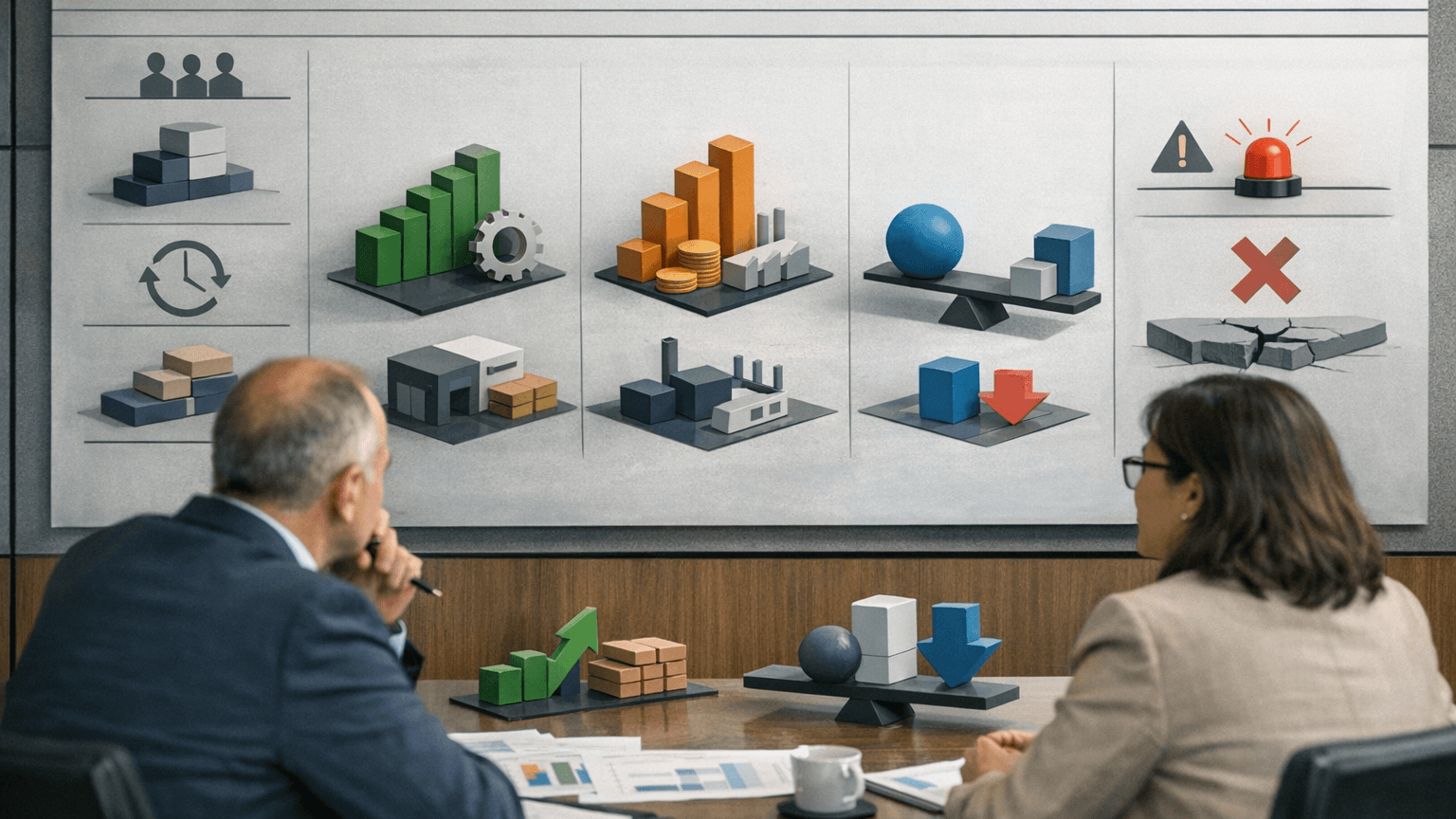
How to Turn Simulation Outputs Into Executive Decisions
a compact governance pattern that converts scenario results into an executive-ready choice with explicit trade-offs, assumptions, and next actions
 Aide à la décision3 min de lecture
How to Use Digital Twin in CAPEX Stage Gates
a gate-by-gate map of what scenario evidence should exist before each approval, so capital moves forward with traceable de-risking instead of narrative momentum
 Exécution4 min de lecture
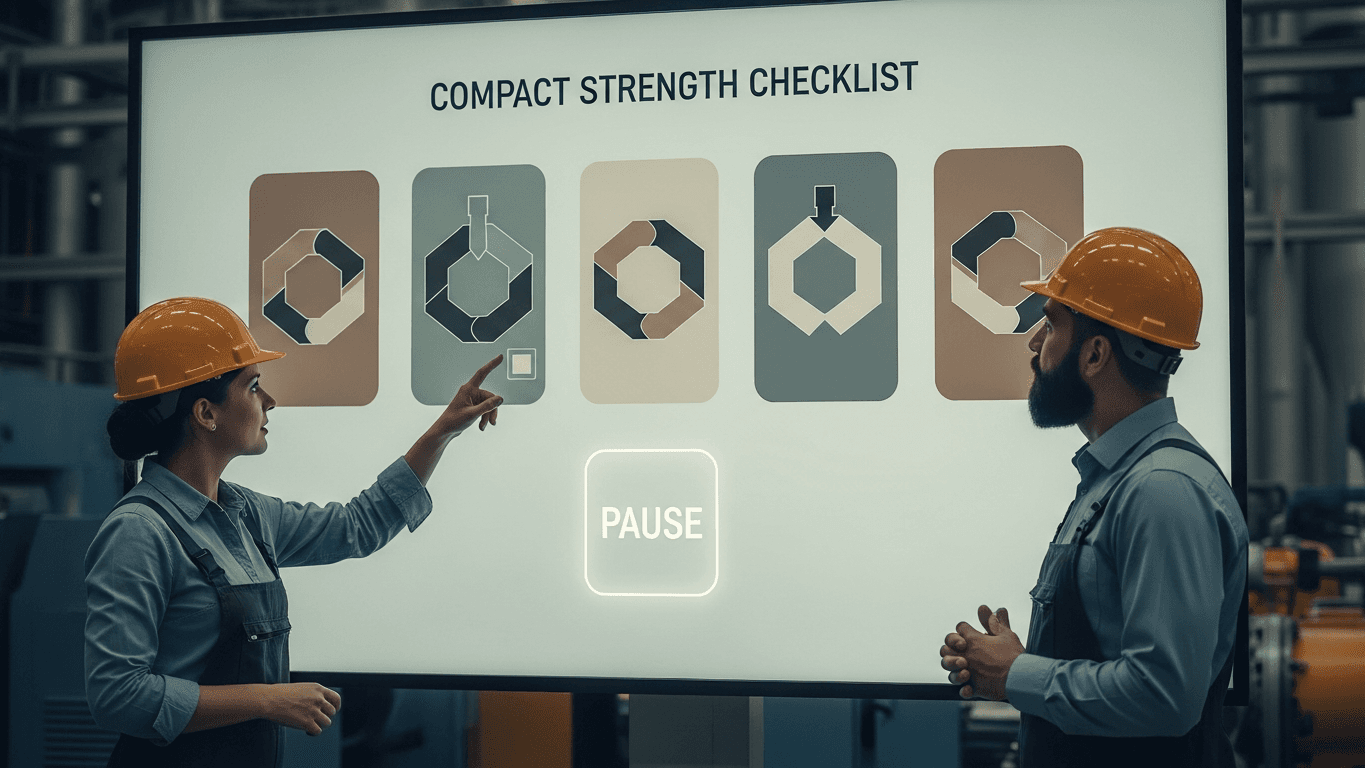
When a Simulation Result Is Strong Enough to Act On
a practical strength test that separates "directionally useful" from "commitment-ready" so you move when evidence supports it and pause when it does not
 Analyses approfondies3 min de lecture
How to Use Digital Twin for Factory Change Governance
a governance pattern that attaches scenario evidence to change decisions so approvals explain what was tested and what would force a reopen
 Analyses approfondies4 min de lecture
What a Good Sensitivity Analysis Should Show Before Approval
a clear standard for what sensitivity must expose before sign-off so approvers see consequence, ownership, and failure order, not decoration
 Logique de solution4 min de lecture
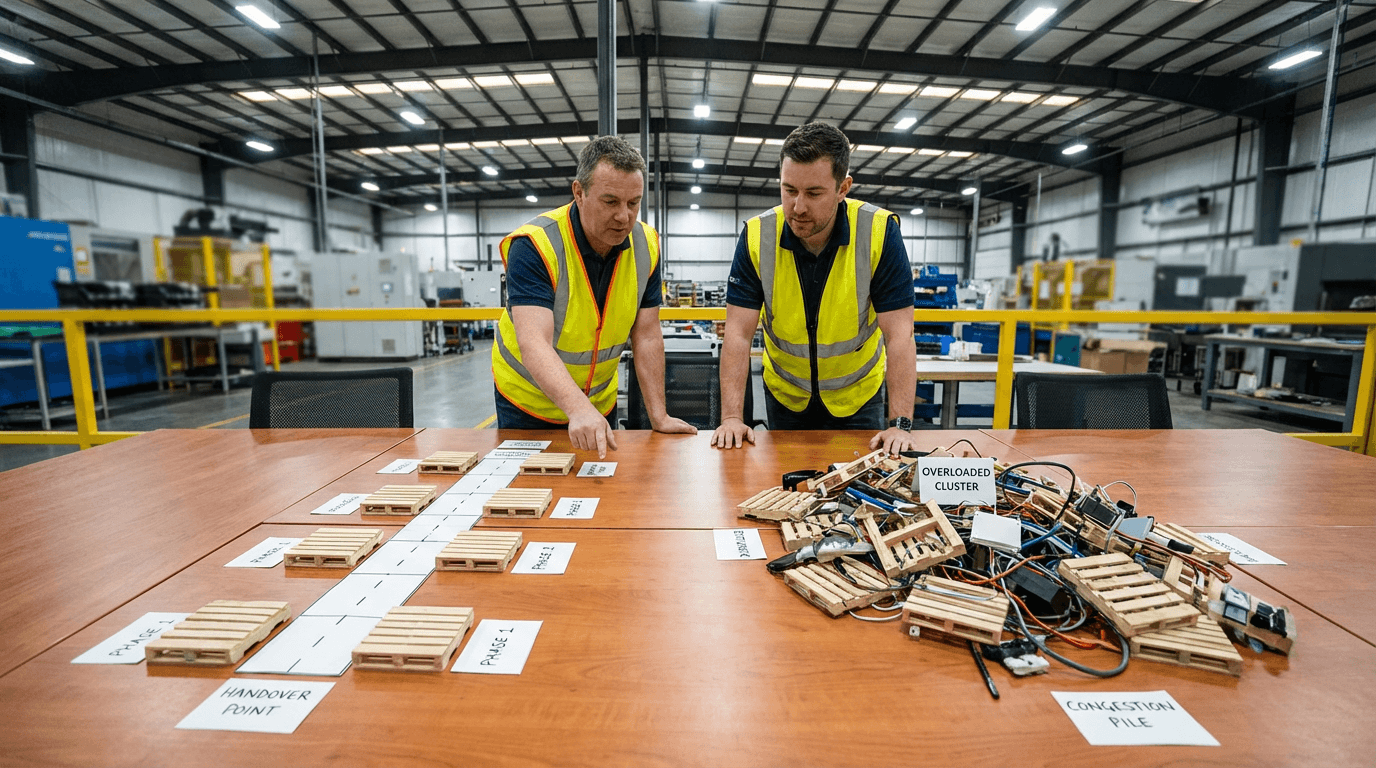
How to Test Supplier and Ramp Risk in Factory Simulation
a scenario pattern that models inbound variability and learning curves as first-class inputs so you see queue, constraint, and cash effects before you commit
 Exécution4 min de lecture
When to Simulate Phased Rollouts Instead of Full Cutovers
a decision grid that tells you when phased rollouts deserve scenario work and what signals to compare against a single cutover plan
 Exécution4 min de lecture
How to Use Digital Twin in Monthly Operations Reviews
a tight agenda pattern that uses Digital Twin as a forward-looking decision lens alongside last month reality, without turning the meeting into a model demo
 Aide à la décision3 min de lecture
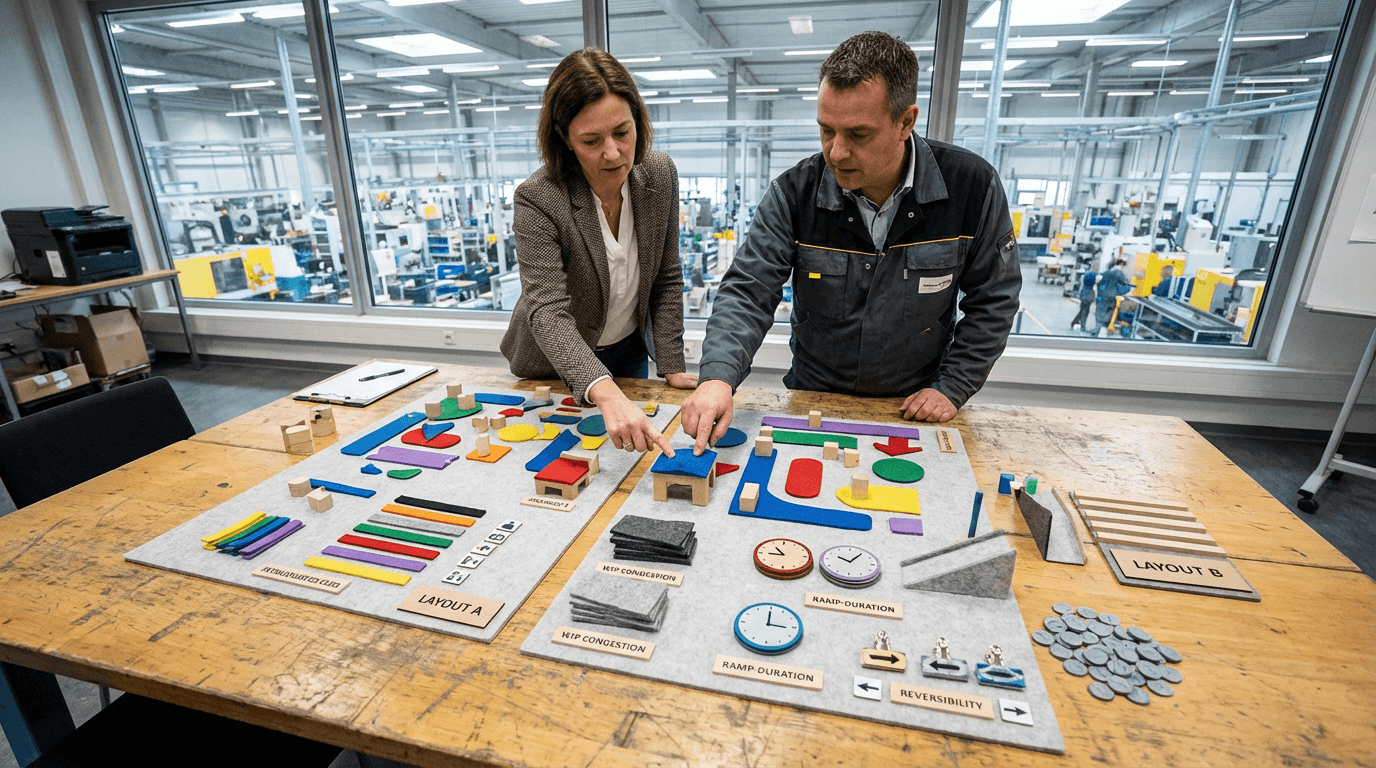
What to Compare Before You Expand Capacity in a Brownfield Factory
a comparison checklist that forces layout, flow, constraint, and cash signals into one table before you expand walls or buy machines
 Logique de solution4 min de lecture
How to Package Simulation Evidence for Board-Level Decisions
an evidence bundle structure that is short for the room, deep in the appendix, and explicit about assumptions, limits, and invalidation logic
 Analyses approfondies4 min de lecture
When to Refresh a Digital Twin Model After Operational Change
a trigger list and lightweight refresh sequence so the twin stays a trustworthy decision system as the plant evolves
 Logique de solution4 min de lecture
How to Decide When a Simulation Is Good Enough for Capital Commitment
a capital-readiness gate that ties simulation quality to decision risk, not to model beauty or animation polish
 Exécution4 min de lecture
What a Factory Scenario Library Should Look Like After the First Projects
a lightweight library pattern that turns one-off runs into a reusable scenario-testing environment for layout, flow, and CAPEX decisions
 Analyses approfondies3 min de lecture
How to Retire Weak Options Early in Digital Twin Decision Cycles
explicit early-exit rules that use Digital Twin as a scenario-testing environment to kill weak paths with evidence, not politics
 Logique de solution4 min de lecture
When to Use Digital Twin in Post-Investment Reviews and When Not To
a clear when-to-use map so Digital Twin supports honest post-investment learning without becoming forensic theater
 Analyses approfondies4 min de lecture
How to Assign Model Ownership Across Engineering, Operations, and Finance
a simple RACI-style split that keeps Digital Twin a decision system with accountable inputs and approved outputs
 Réalité terrain4 min de lecture
What an Executive Simulation Review Should Decide in 30 Minutes
a 30-minute agenda that forces one or two clear decisions from scenario outputs, not admiration of visuals
 Analyses approfondies4 min de lecture
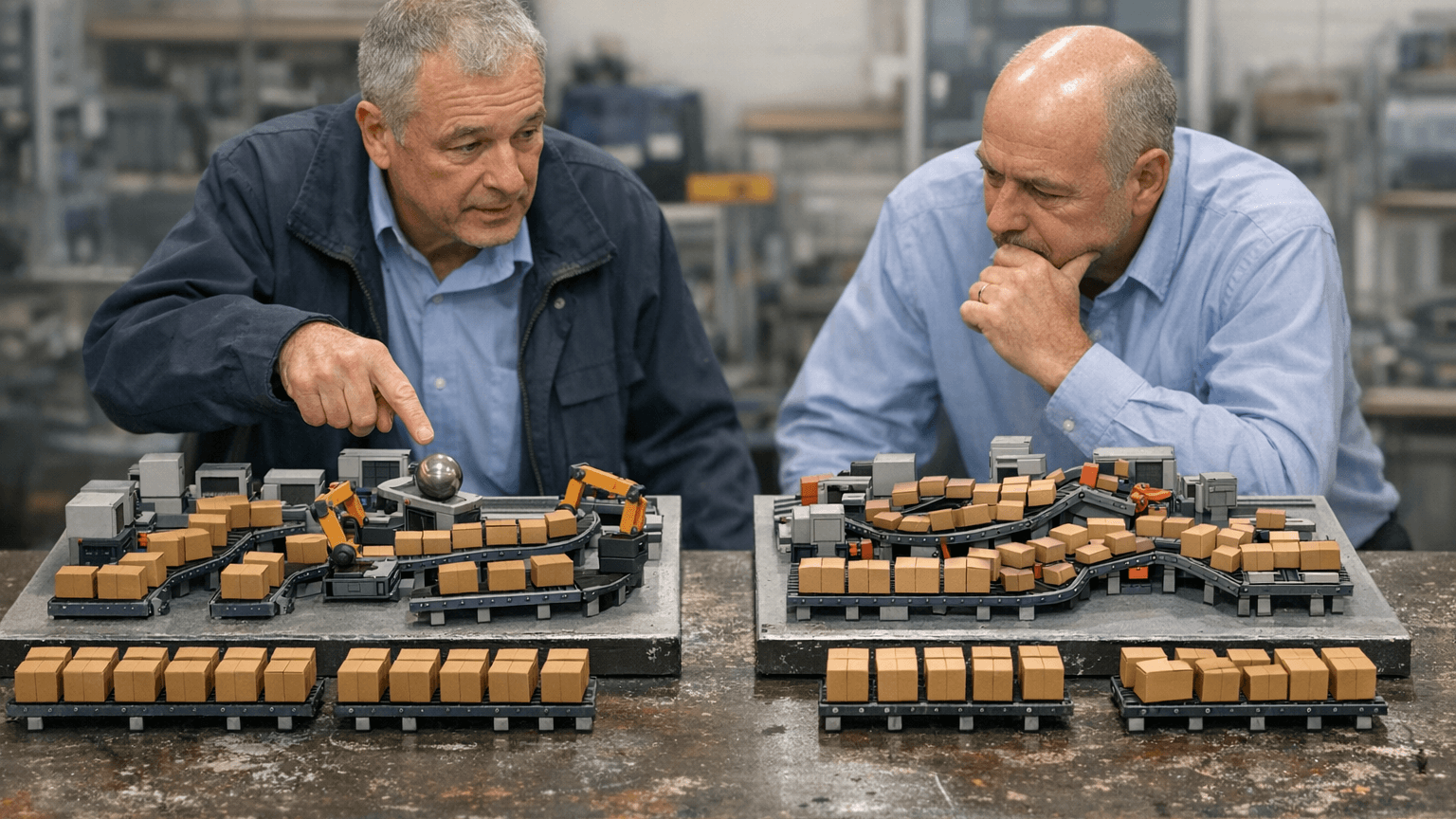
When to Link Digital Twin to Real-Time Data and When Static Is Enough
a decision-first rule set so Digital Twin stays a scenario-testing environment without unnecessary real-time complexity
 Logique de solution4 min de lecture
How to Compare Resilience, Not Just Throughput, in Factory Scenarios
a resilience lens that sits beside throughput so Digital Twin remains a decision system for real operating risk
 Exécution4 min de lecture
What a Reusable Factory Assumption Ledger Should Include
a compact ledger pattern that makes Digital Twin a traceable decision system across gates and refreshes
 Logique de solution4 min de lecture
How to Turn Digital Twin Into a Repeatable CAPEX Decision System
an operating pattern that makes Digital Twin the default scenario-testing environment for layout, flow, and capital choices